Communities of Hope
Civic Media
What We Do
- We deliver trustworthy, community‑centered news and civic information that helps people understand how decisions are made, how systems work, and how to access resources that affect their daily lives.
- We investigate solutions to systemic problems, reporting not only on what is broken, but on what communities are trying, what works, what doesn’t, and what can be learned.
- We explain civics in clear, accessible language, connecting residents to public services, community organizations, and meaningful ways to participate in decision‑making.
- We amplify voices and lived experiences often ignored by mainstream media, including LGBTQIA+ communities, immigrants and refugees, diaspora communities, youth, and families navigating complex public systems.
- We create accessible storytelling across formats, so information reaches people where they are through radio, video, newsletters, zines, social media, digital apps., podcasts, games, and many other print and digital tools, and live in-person and online public events.
- We turn information into access and action, helping communities navigate systems, understand their rights, and connect with support networks.
- We design and maintain civic data and technology tools that make public information easier to find, understand, and use.
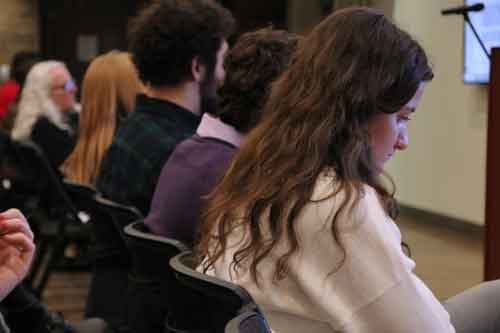
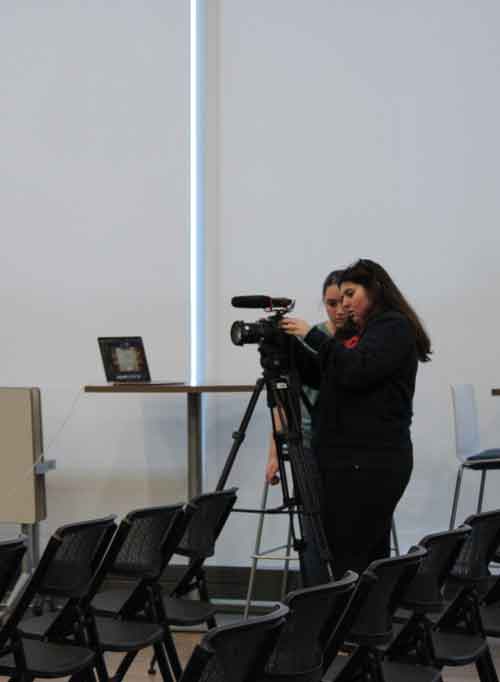
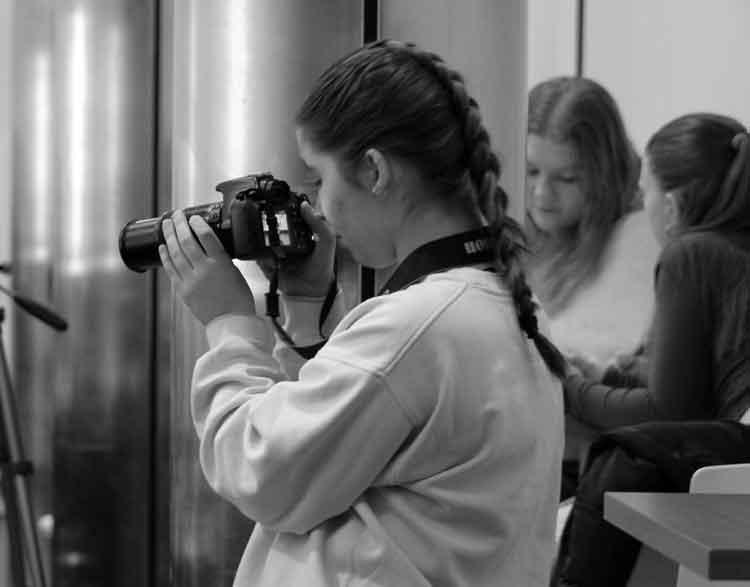
- We offer hands‑on training and civic media education, providing students, volunteers, and community members with practical skills in journalism, media literacy, data, technology, and ethical storytelling through classes, workshops, internships, apprenticeships and through our Hope Lab and Hope Squad programs.
- We support real‑world student learning through public‑service journalism and community engagement, giving students meaningful experience producing work that serves communities, not simulations or classroom exercises.
- We strengthen local capacity through partnerships and service, including volunteer initiatives like Hope Corps that help community organizations meet concrete needs.

Values and Principles
Our work is guided by a set of shared commitments to our communities, our students, and the public. These principles shape how we serve communities and how students learn to do this work with skill, humility, and purpose.
- Community‑Centered Practice: We report with communities, not just about them—centering lived experience and local knowledge.
- Journalism as a Public Good: We believe access to reliable information is essential to equity, care, and democracy.
- Learning Through Service: We design student experiences that produce real public value, not just academic credit.
- Solutions and Accountability: We investigate not only problems, but responses—examining evidence, limits, and lessons.
- Accessibility and Inclusion: We create information that people can find, understand, and use across formats, languages, and abilities.
- Care, Truth, and Transparency: We prioritize rigorous research, fact‑checking, and ethical decision‑making in everything we publish and teach.
- Collaboration Over Extraction: We build partnerships that strengthen local capacity and respect community time, labor, and trust.
Civic Media
We work with Roger Williams University students, high school students, local media organizations, non-profit organizations, and groups of people who need our work the most. Our main publics are those who can benefit the most from education, training, and consistent work. They include, but are not limited to: refugees, formerly and currently incarcerated people (adults and youth), ethnic communities, Black communities, Latin-American communities, immigrant and diaspora communities, Indigenous Nations and groups, disabled and chronically ill communities, trans people, other marginalized queer communities and persons, the houseless and other economically marginalized groups.
Our Partners and Collaborators
Communities of Hope is part of the Rhode Island News Collaborative

RI News Today

East Greenwich News

The Providence Eye
EcoRI News
Ocean State Media

Ocean State Stories
Frequently Asked Questions
How can I get involved with your work?
Local community members in Rhode Island can get involved with Communities of Hope’s work in many ways:
-
Are you a local journalist and need support to produce community-driven solutions journalism projects? Check our programs and contact us to learn how we can help you.
-
Run an educational program and want to have students learn and practice community-driven solutions journalism? Check our programs and contact us to learn how we can help you.
-
Do you run or participate in a local newsroom or civic organization and would like to collaborate? Contact us and we will get back to you promptly.
-
Do you want to support us financially? Contact us!
-
Is there something else you want to do or have no idea where to star? Lets talk about it!
What is community-driven journalism?
Community-driven news is a form of public service journalism that works with and for the community rather than merely telling stories about the community.
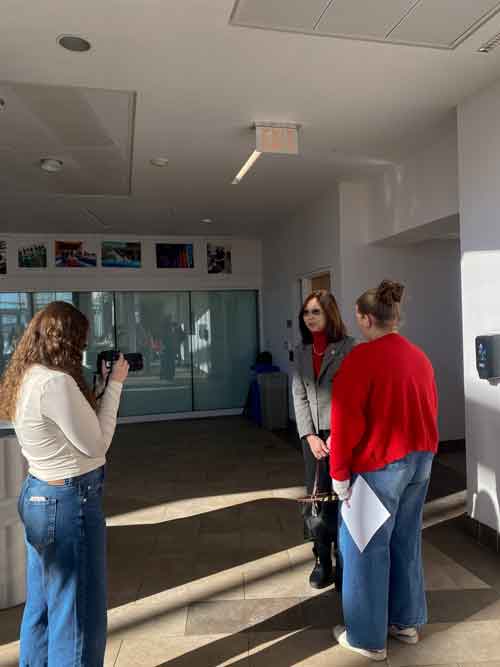
We engage in conversations with community members, hold listening posts, and conduct community and information needs assessments to make sure we are providing a service that directly answers the questions and addresses the needs of the communities we work with. We don’t tell communities what is important, we ask. We obtain the information they need and bring it back to them.
We don’t publish our work on platforms that are not accessible to the communities. We ask how they prefer to receive information (online, radio, TV, print, at meetings, through face-to-face conversations, podcasts, social media, etc.) and provide information using multiple formats that best suit their needs.
We don’t parachute in and leave with the information from the communities, we bring the information to them and work alongside them to address issues. We bring capital and resources into the community, instead of removing it from the communities.
What is solutions journalism?
The best answer is simple: solutions journalism is a complete form of investigative reporting that not only exposes problems, but also investigates available solutions for those problems.
Solutions journalism does not propose solutions; it allows the public to evaluate what has worked or not in other situations and places.
Learn more, get connected, and/or get trained on solutions journalism with the Solutions Journalism Network. Their answer to “What is Solutions Journalism” involves four ingredients.